Rodent problems can quickly become more than an inconvenience. Rats and mice can contaminate food, damage insulation and wiring, leave droppings, and create entry points that allow additional pests into a property. The most effective solution is a combination of inspection, safe removal, exclusion, sanitation, and prevention. A professional rodent stopper approach focuses not only on removing active rodents but also on identifying and sealing the conditions that allow them to return. Whether you need professional rodent control, rodent control Charleston SC, or rodent control Orlando FL, a structured pest-management plan can help protect your home or business.

What Is a Rodent Stopper?
A rodent stopper is essentially a prevention-focused approach to rodent management. Instead of relying only on traps or other short-term measures, the objective is to identify how rodents are entering a property and reduce the conditions that attract them.
Professional rodent control may include a property inspection, identification of active areas, trapping or other appropriate removal methods, exclusion work, sanitation recommendations, and follow-up monitoring. The National Park Service's rodent-exclusion guidance emphasizes inspecting structures for entry points and using appropriate materials to prevent rodents from accessing buildings.
Why Professional Rodent Control Matters
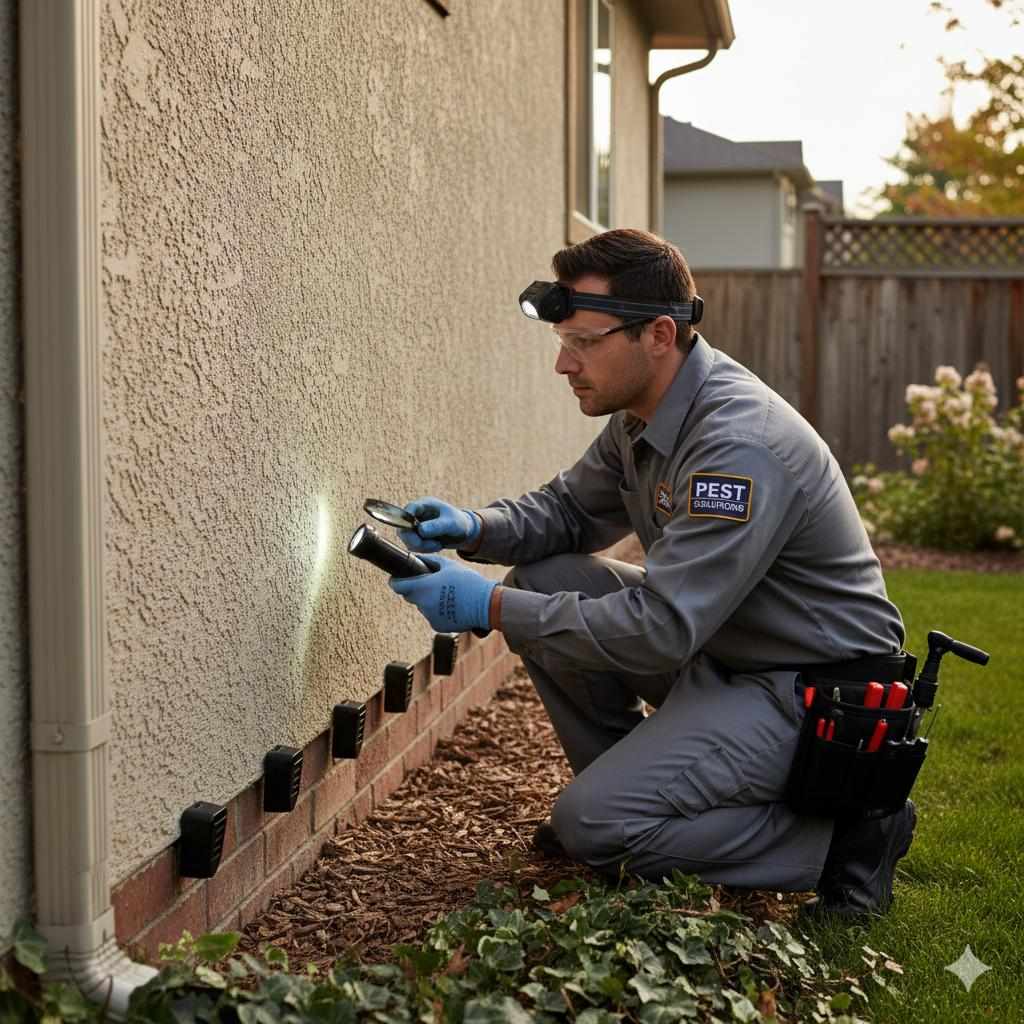
DIY methods may help with an isolated mouse or rat, but an established infestation can require a more comprehensive approach. Professional rodent control technicians can inspect areas that homeowners may overlook, including attics, crawl spaces, rooflines, foundations, vents, utility penetrations, garages, and storage areas.
Common signs of rodent activity include:
Droppings near food or storage areas
Gnaw marks on wood, plastic, or wiring
Scratching sounds inside walls or ceilings
Nesting materials in secluded areas
Grease or rub marks along frequently traveled surfaces
Unusual odors
Damaged insulation
Rodent sightings, especially at night
A thorough inspection helps determine whether the problem involves occasional activity or a larger rodent infestation control issue.
Mice Infestation Control: Identifying the Problem Early
Effective mice infestation control begins with recognizing signs before the population grows. Mice can use very small openings to access buildings, making cracks, gaps around pipes, damaged vents, door gaps, and roofline openings important inspection points.
For mice infestation control, property owners should keep food in sealed containers, clean spills promptly, secure garbage, reduce clutter, and address structural openings. However, sanitation alone may not solve an established infestation if rodents continue to have access to the building.
A professional inspection can help identify activity areas and determine which prevention measures are appropriate.
Rodent Infestation Control: A Complete Approach
Successful rodent infestation control generally requires several steps rather than one treatment.
1. Inspection
The first step is a detailed inspection of both interior and exterior areas. Professionals look for evidence of activity, nesting locations, food sources, structural damage, and possible entry routes. Inspection-based programs commonly include attics, crawl spaces, garages, foundations, rooflines, and utility openings.
2. Rodent Removal
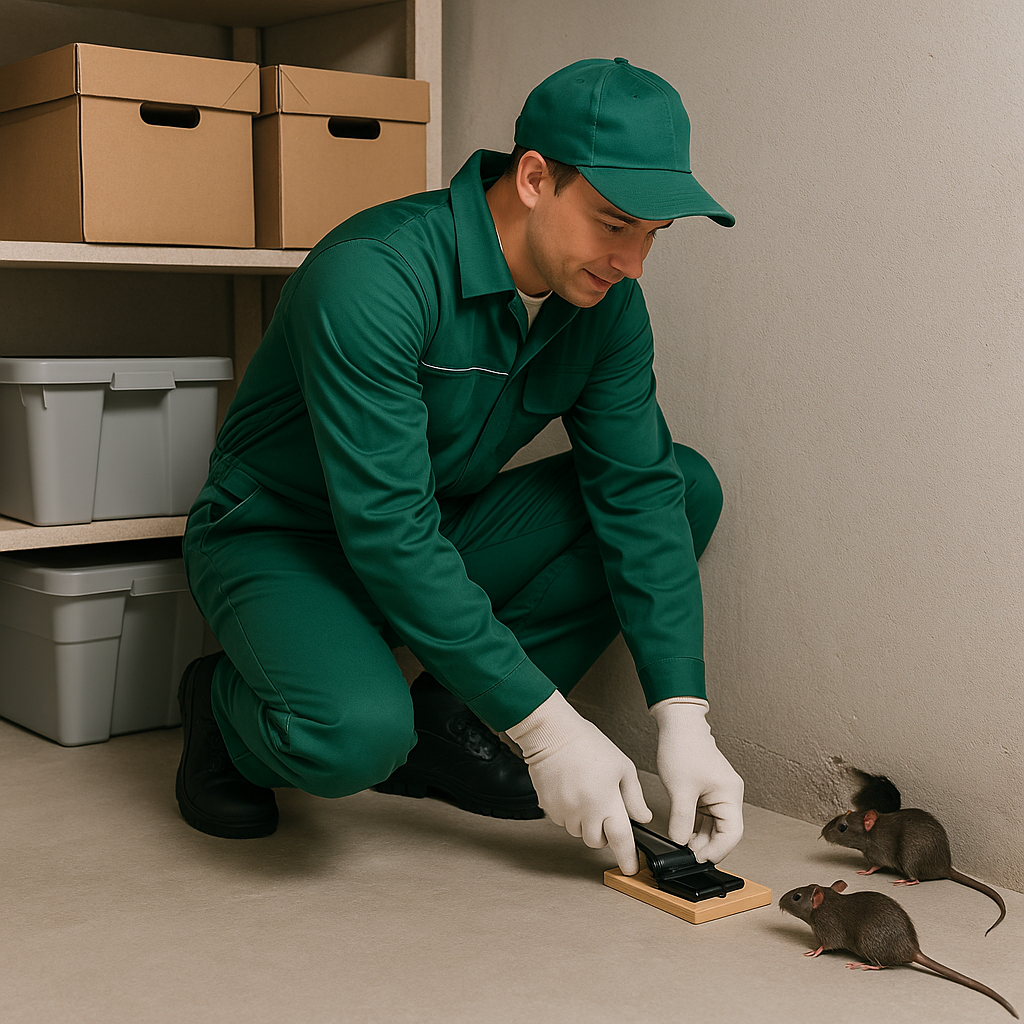
After identifying active areas, appropriate removal methods can be selected. Depending on the property and local requirements, this may involve traps or other professionally managed control methods.
The goal should be to address the actual infestation rather than simply treating the location where a rodent was noticed.
3. Exclusion and Sealing
Exclusion is an important part of long-term rodent infestation control. Cracks, gaps, damaged screens, vents, and openings around pipes or cables can provide access.
Sealing these vulnerabilities helps reduce the likelihood of rodents returning. The National Park Service recommends identifying and properly sealing openings in areas such as attics and crawl spaces.
4. Sanitation and Prevention
Food waste, unsecured garbage, standing water, clutter, and accessible pet food can make a property more attractive to rodents. Keeping the surroundings clean and reducing available food and shelter supports long-term rodent control.
Rodent Control Charleston SC: Protecting Local Properties
Homeowners and businesses looking for rodent control Charleston SC should consider both active infestation treatment and prevention. Charleston properties can have numerous potential access points, including crawl spaces, rooflines, vents, foundations, garages, and utility openings.
When activity is discovered, rat removal Charleston SC should focus on identifying where the animals are entering and where they are nesting or traveling. Simply removing a visible rat may not solve the underlying problem if other rodents can still access the structure.

A professional rodent control Charleston SC service can assess the property, develop an appropriate removal strategy, and recommend exclusion measures designed around the building's specific vulnerabilities.
Rodent Control Orlando FL and Rodents Control in Florida
Effective rodent control Orlando FL requires attention to the property's structure, surrounding environment, sanitation, and potential food sources. Florida properties may have exterior areas such as garages, attics, crawl spaces, sheds, and rooflines that require regular inspection.
For broader rodents control in Florida, prevention should include maintaining clean outdoor areas, securing garbage containers, trimming vegetation where appropriate, inspecting roof and foundation areas, and repairing damaged screens or vents.
Professional rodents control in Florida can be particularly useful when recurring activity suggests that rodents are gaining access through structural openings. A complete inspection can help distinguish between an isolated sighting and an ongoing infestation.
Choosing Professional Rodent Control
When choosing a professional rodent control provider, look for a company that offers more than a basic trapping service. Ask whether the service includes:
Detailed interior and exterior inspection
Identification of entry points
Appropriate rodent removal
Exclusion recommendations
Sanitation and prevention guidance
Follow-up monitoring
Clear explanation of the proposed treatment
The best approach depends on the property, the species involved, the severity of activity, and applicable local requirements.
How Rodent Control Can Prevent Future Problems
A strong prevention plan combines several measures. Keep food and garbage secured, remove unnecessary clutter, maintain landscaping, repair damaged screens, inspect vents and rooflines, and seal suitable entry points.
It is also important to avoid disturbing potentially contaminated nesting or droppings areas without appropriate precautions. If extensive contamination or an inaccessible nesting area is present, professional assessment may be appropriate.
The objective of rodent control is not simply to remove the rodents currently present. It is to make the property less accessible and less attractive to future rodents.
Conclusion

Rodent problems require more than a quick fix. A reliable rodent stopper strategy combines inspection, appropriate removal, exclusion, sanitation, and prevention. Whether the need involves mice infestation control, rodent infestation control, rodents control in Florida, rodent control Charleston SC, rat removal Charleston SC, or rodent control Orlando FL, addressing the source of the infestation is essential. Choosing professional rodent control can provide a more systematic way to identify vulnerabilities and protect the property from recurring rodent activity. The rodent control brand approach should always emphasize safe, responsible, and prevention-focused pest management.
Frequently Asked Questions
What is a rodent stopper?
A rodent stopper is a prevention-oriented approach that combines rodent removal with exclusion and property improvements designed to reduce future access.
When should I consider professional rodent control?
Consider professional help when you see repeated rodents, discover significant droppings, hear regular scratching, find damaged wiring or insulation, or continue to experience activity after basic prevention measures.
What does mice infestation control involve?
Mice infestation control can involve inspection, identification of activity, appropriate removal, entry-point exclusion, sanitation, and follow-up monitoring.
How does rodent infestation control work?
Rodent infestation control typically starts with inspection, followed by appropriate removal and exclusion measures. Prevention and sanitation help reduce the chance of recurring activity.
Where can I get rodent control in Charleston?
For rodent control Charleston SC, look for a qualified local pest-management provider that can inspect the property and address both active rodents and potential entry points.
What should I do for rat removal Charleston SC?
For rat removal Charleston SC, avoid relying only on visible sightings. A professional inspection can help identify where rats are entering, nesting, and traveling so the underlying problem can be addressed.
Is professional rodent control available in Orlando?
Yes. Property owners seeking rodent control Orlando FL can look for local pest-management professionals who provide inspection, removal, exclusion, and prevention services.


Write a comment ...