Learn how a rodent stopper, professional rodent control, rat removal Charleston, mice extermination, and rat control services protect homes effectively.

Rodent Stopper: Professional Rodent Control for Long-Term Protection
A rodent stopper is one of the most effective solutions for preventing rats and mice from entering your property and causing costly damage. When combined with professional rodent control, homeowners benefit from complete protection that includes inspection, exclusion, mice extermination, rat control services, and long-term prevention. Whether you need rodent control Charleston South Carolina, rat removal Charleston, or reliable protection anywhere else, investing in a comprehensive rodent management plan helps safeguard your health, property, and peace of mind.
Rodents reproduce quickly, contaminate food, damage insulation, chew electrical wiring, and spread harmful bacteria. While DIY methods may temporarily reduce activity, they rarely eliminate the source of the infestation. Professional solutions focus on identifying entry points, removing existing rodents, and preventing future infestations with proven techniques.
What Is a Rodent Stopper and Why Does It Matter?
A rodent stopper refers to the combination of physical barriers, exclusion methods, and preventive measures designed to stop rodents before they enter a building. Rather than simply trapping rats and mice, a rodent stopper addresses the root cause of infestations.
Professional rodent specialists typically use:
Entry-point sealing
Steel mesh installation
Door sweeps
Crawlspace protection
Vent covers
Foundation inspections
Sanitation recommendations
Unlike temporary DIY solutions, a complete rodent stopper strategy reduces the chances of recurring infestations.
Benefits include:
Prevents property damage
Reduces health risks
Protects stored food
Keeps insulation intact
Improves indoor air quality
Lowers future pest control costs
Why Professional Rodent Control Is More Effective Than DIY
Many homeowners begin with store-bought traps or poison. While these methods may catch a few rodents, they rarely eliminate the entire colony.
Professional rodent control provides a systematic approach that includes:
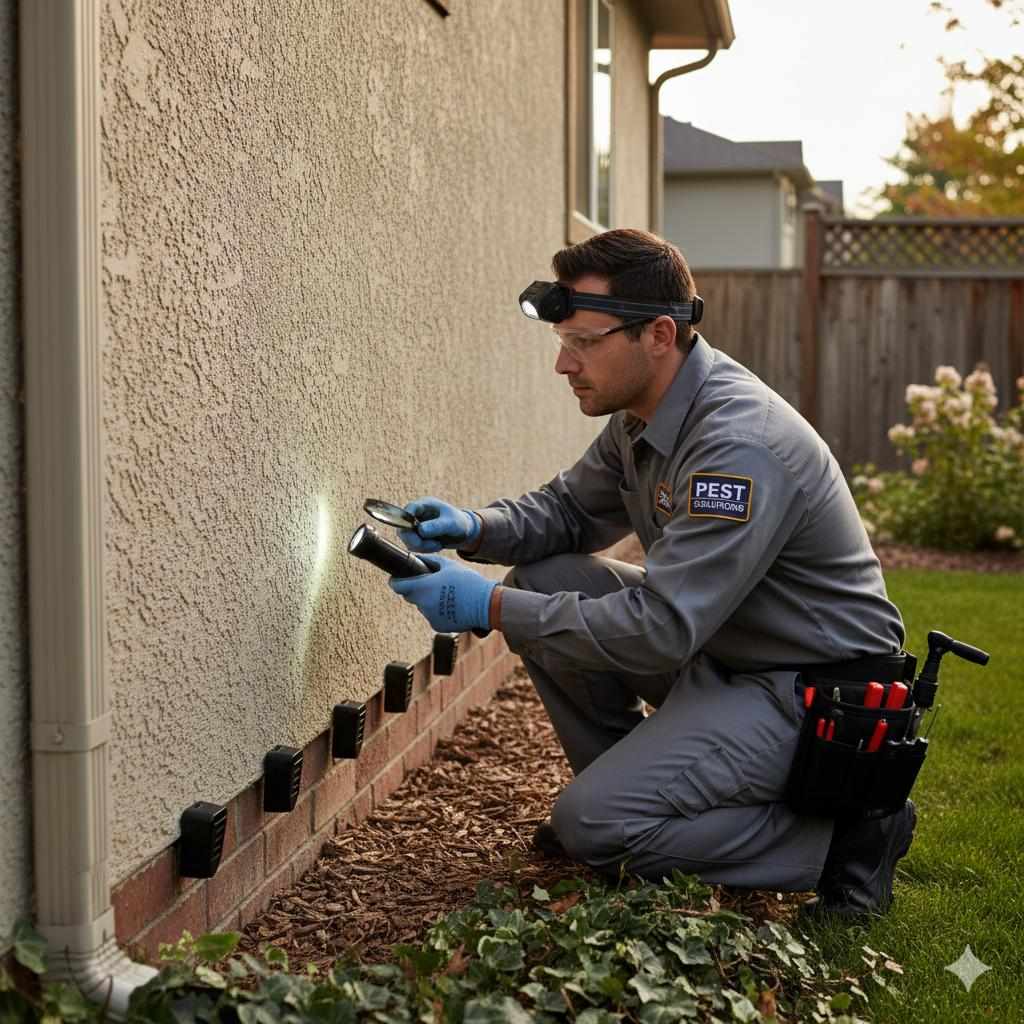
1. Complete Inspection
Experts inspect:
Attics
Basements
Crawl spaces
Rooflines
Utility openings
Garages
Exterior foundations
2. Customized Treatment Plan
Every property is different. Professionals identify:
Rodent species
Nest locations
Food sources
Water sources
Entry points
3. Safe Removal
Professional technicians use safer and more effective equipment for:
Mice extermination
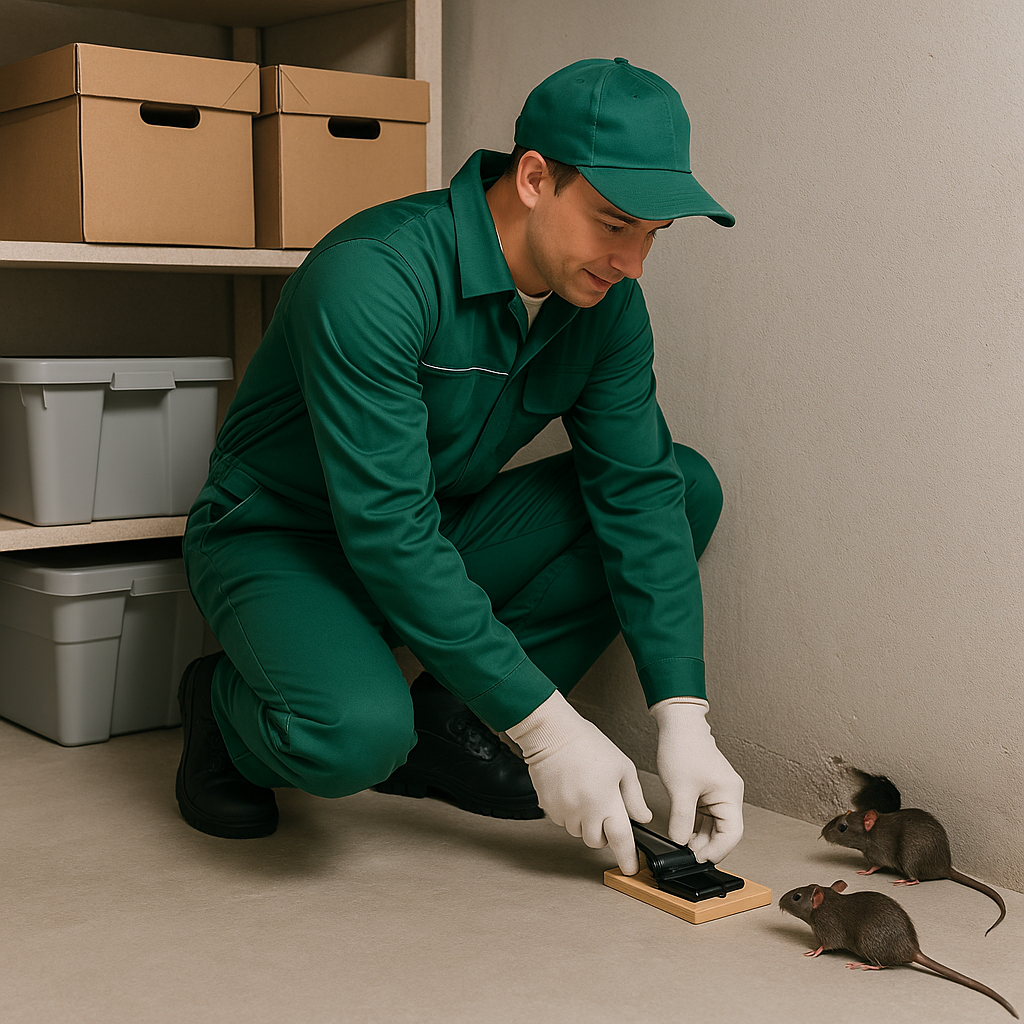
Rat trapping
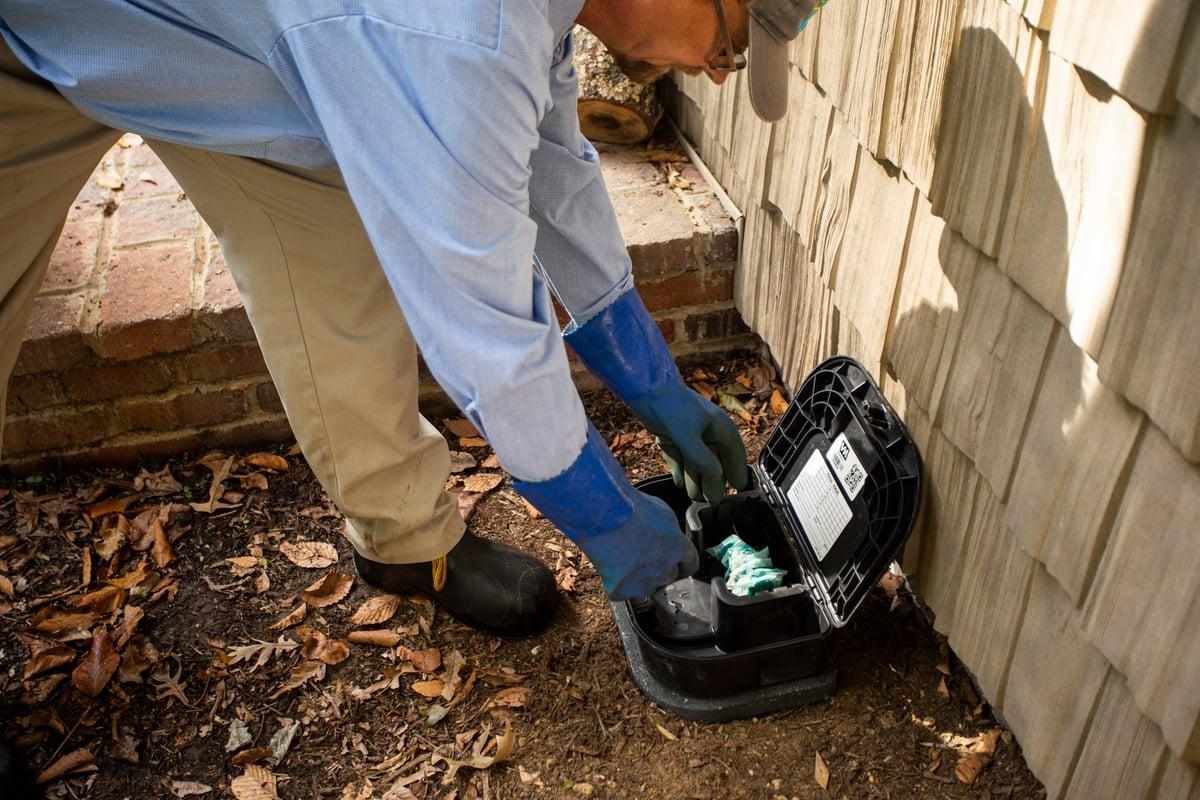
Bait station placement
Sanitation
4. Long-Term Prevention
The final step focuses on sealing every potential access point so rodents cannot return.
Common Signs You Need Rat Control Services
Rodents are usually active at night, making infestations difficult to detect during the early stages.
Common warning signs include:
Scratching sounds in walls
Droppings around food storage
Chewed wires
Damaged insulation
Grease marks along walls
Unpleasant odors
Nesting materials
Gnawed wood
If these signs appear, scheduling rat control services immediately helps prevent the infestation from growing.
Ignoring the problem often leads to:
Electrical hazards
Structural damage
Contaminated food
Increased repair costs

Rodent Control Charleston South Carolina: Local Challenges
Homes requiring rodent control Charleston South Carolina face unique environmental conditions.
Charleston's humid climate, older neighborhoods, waterfront properties, and mild winters create ideal environments for rodents throughout the year.
Common rodent species include:
Norway Rats
Often found around:
Foundations
Sewers
Crawl spaces
Roof Rats
Frequently nest in:
Roofs
Attics
Trees
House Mice
Usually invade:
Kitchens
Pantries
Utility rooms
Because rodent activity remains high throughout much of the year, regular inspections and professional rodent control provide better long-term protection.

Rat Removal Charleston: Why Fast Action Matters
When homeowners require rat removal Charleston, immediate action is critical.
Rats reproduce extremely quickly. A small infestation can become a major problem within weeks.
Professional rat removal Charleston services generally include:
Property inspection
Nest identification
Safe trapping
Population removal
Entry-point sealing
Sanitation recommendations
Ongoing monitoring
Removing rats without sealing entry points often results in repeat infestations.
A complete rodent stopper strategy ensures that removed rodents cannot easily return.

Mice Extermination Process Explained
Professional mice extermination focuses on eliminating the current infestation while preventing future activity.
Typical steps include:
Inspection
Professionals determine:
Mouse species
Nesting locations
Entry holes
Food availability
Treatment
Methods may include:
Snap traps
Tamper-resistant bait stations
Monitoring devices
Exclusion
Technicians seal openings around:
Pipes
Utility lines
Foundations
Roof vents
Doors
Prevention
Homeowners receive recommendations such as:
Proper food storage
Trash management
Moisture reduction
Landscape maintenance
This integrated approach provides longer-lasting results than relying solely on traps.
How to Prevent Future Rodent Infestations
Preventing rodents is easier than removing an established infestation.
Follow these best practices:
Seal Entry Points
Inspect for gaps around:
Pipes
Windows
Doors
Rooflines
Foundations
Remove Food Sources
Store food in airtight containers.
Clean crumbs promptly.
Avoid leaving pet food outside overnight.
Reduce Moisture
Repair:
Leaking pipes
Outdoor faucets
Roof leaks
Maintain Landscaping
Keep shrubs trimmed.
Store firewood away from the home.
Remove yard debris.
Schedule Professional Inspections
Annual inspections help identify problems before they become expensive infestations.
Choosing the Right Professional Rodent Control Company
Selecting a qualified provider improves treatment success.
Look for companies offering:
Licensed technicians
Comprehensive inspections
Humane removal options
Customized treatment plans
Rodent exclusion services
Warranty options
Follow-up inspections
Questions to ask include:
What rodent species are present?
Will entry points be sealed?
Are follow-up visits included?
What prevention methods are recommended?
How long does treatment typically take?
Choosing experienced professionals ensures that rodent stopper strategies remain effective over time.

Conclusion
A reliable rodent stopper is far more than a simple trap—it is a complete prevention strategy that combines exclusion, monitoring, professional rodent control, mice extermination, rat control services, and ongoing maintenance. Whether you need rodent control Charleston South Carolina, rat removal Charleston, or preventive protection for your home, acting early helps reduce property damage, health risks, and long-term repair costs. By combining professional expertise with preventive maintenance, homeowners can enjoy a cleaner, safer, and rodent-free environment for years to come.
FAQs
1. What is a rodent stopper?
A rodent stopper is a combination of exclusion techniques, sealing methods, and preventive measures that stop rodents from entering homes and businesses.
2. Why should I hire professional rodent control?
Professional rodent control identifies entry points, removes existing infestations safely, and provides long-term prevention that DIY methods often cannot achieve.
3. How long does mice extermination take?
Most mice extermination projects show significant improvement within a few days, although complete prevention may require follow-up visits depending on the infestation.
4. When should I schedule rat removal Charleston services?
If you notice droppings, scratching sounds, chewed wiring, or nesting materials, you should arrange rat removal Charleston services as soon as possible to prevent the infestation from spreading.
5. What makes rodent control Charleston South Carolina unique?
Charleston's humid climate, coastal environment, and older buildings create favorable conditions for rodents throughout much of the year, making regular inspections especially important.
6. What are the benefits of professional rat control services?
Professional rat control services provide accurate inspections, safe removal methods, exclusion work, sanitation recommendations, and long-term monitoring.
7. Can rodents return after treatment?
Yes. If entry points remain open, rodents may return. That's why a rodent stopper strategy emphasizing exclusion is essential.
8. How can homeowners reduce the risk of rodents?
Seal gaps around your home, store food properly, eliminate moisture, maintain landscaping, and schedule periodic professional inspections.

Write a comment ...